


Payment Orchestration vs Direct PSP Integrations: What Should a Growing Business Choose?
At the early stage, connecting directly to one payment service provider often looks like the fastest and simplest option. One contract, one API, one integration — and the business can start accepting payments.
But as transaction volume grows, markets expand, and customer expectations become more complex, direct PSP integrations can quickly turn into a hidden operational cost.
Why Direct PSP Integrations Work at the Beginning
For a small business or a single-market product, direct integration with one PSP can be enough. It allows the team to launch quickly, keep the setup simple, and avoid unnecessary technical complexity.
The problem begins when the business needs more flexibility: additional payment methods, better approval rates, local acquiring, backup providers, or expansion into new regions.
The Hidden Cost of Multiple PSPs
Every new provider means another API, another set of webhooks, another reporting format, and another integration to monitor and maintain.
Development teams spend more time fixing payment logic instead of building product features. Finance teams deal with fragmented reports. Support teams handle failed payments without full visibility into what happened.
What looked like a simple setup becomes a growing infrastructure burden.
What Payment Orchestration Changes
Payment orchestration gives businesses one unified layer for managing multiple providers, payment methods, and transaction flows.
Instead of integrating each PSP separately, companies can connect through one platform and control routing, reporting, retries, and fallback logic from a single place.
This makes the payment stack easier to scale and easier to manage.
When Orchestration Starts to Make Sense
Payment orchestration becomes especially valuable when a business works with multiple PSPs, operates in several markets, or needs local payment methods for different customer segments.
It is also useful when approval rates, failed payments, and checkout reliability directly affect revenue.
For growing companies, the question is not only “Which provider is cheaper?” but “How much does our entire payment infrastructure cost to maintain?”
Conclusion
Direct PSP integrations can be a good starting point. But they are not always the best long-term solution for a growing business.
Payment orchestration helps reduce technical complexity, improve visibility, and create a more flexible payment infrastructure.
At Spoynt, we help businesses build payment systems that are ready to scale — without turning every new provider, market, or payment method into a separate development project.
Key takeaway: If your business is managing multiple providers, markets, or payment methods, orchestration can become more efficient than maintaining separate PSP integrations.


Latest News
See all articles-
 Education
Checkout Clarity Is the New Competitive Advantage
17 March, 2026 -
 Education
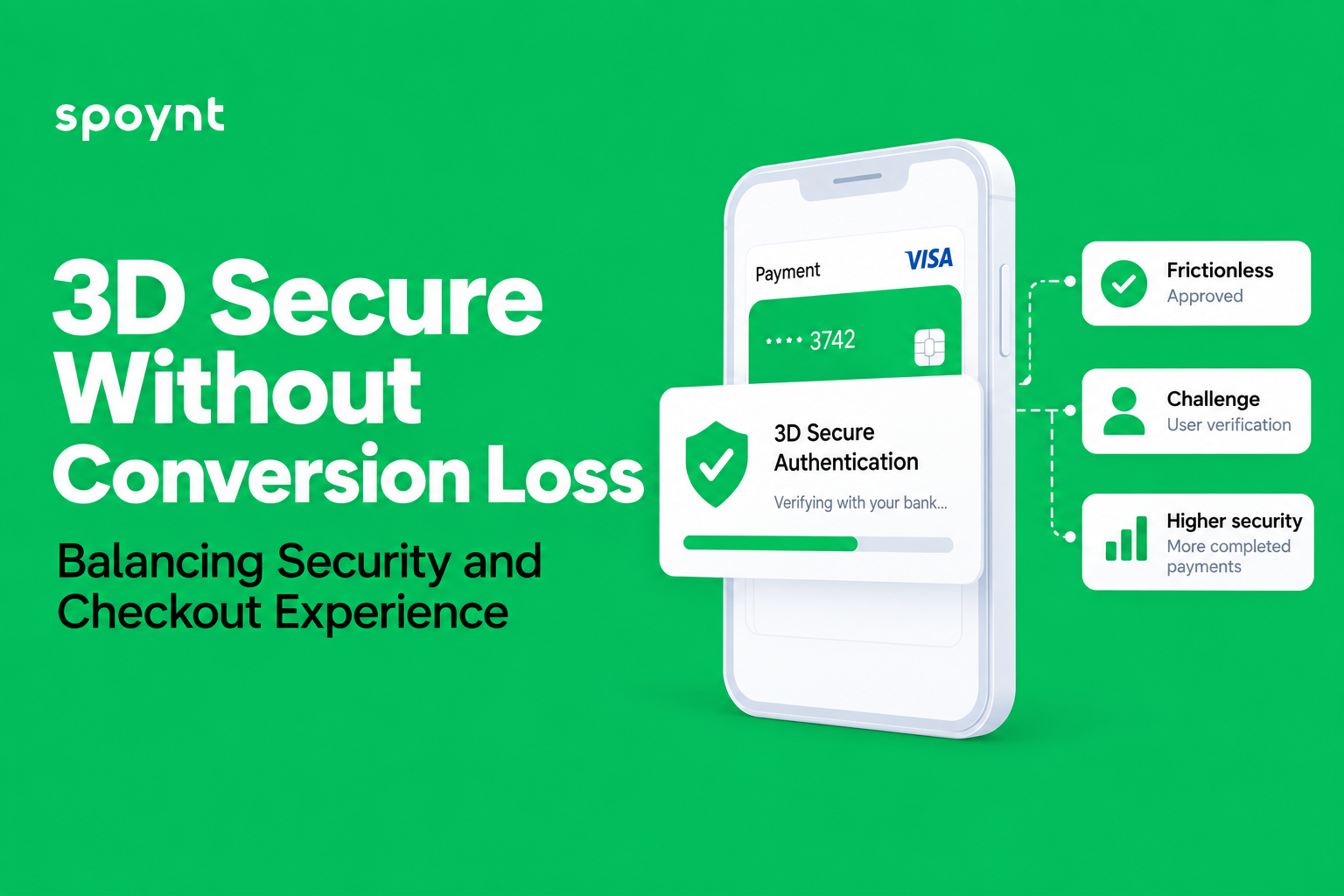
3D Secure Without Conversion Loss: Balancing Security and Checkout Experience
7 September, 2026 -
 Education
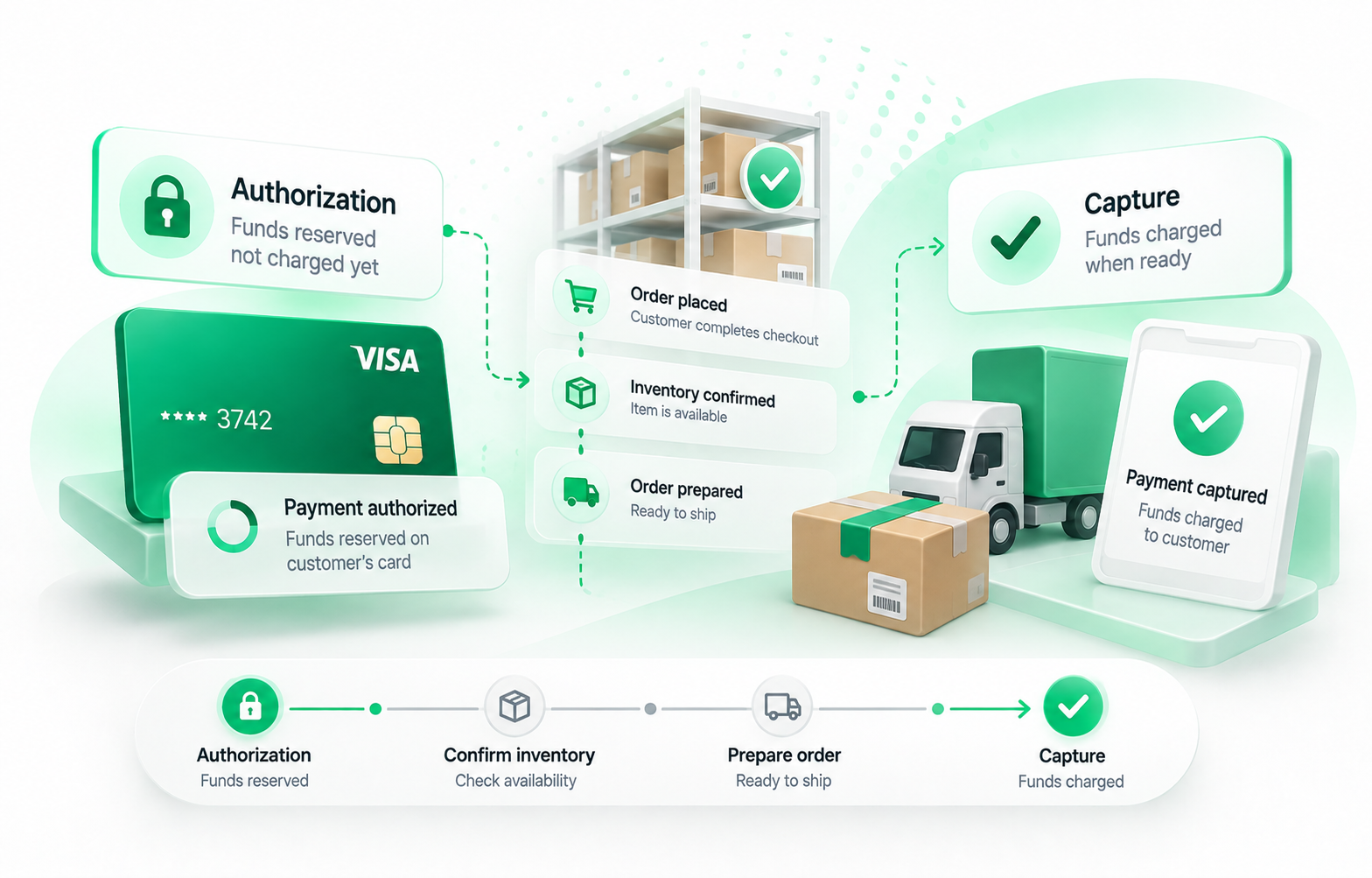
Authorization vs. Capture: When Should Businesses Charge Customers?
28 September, 2026